


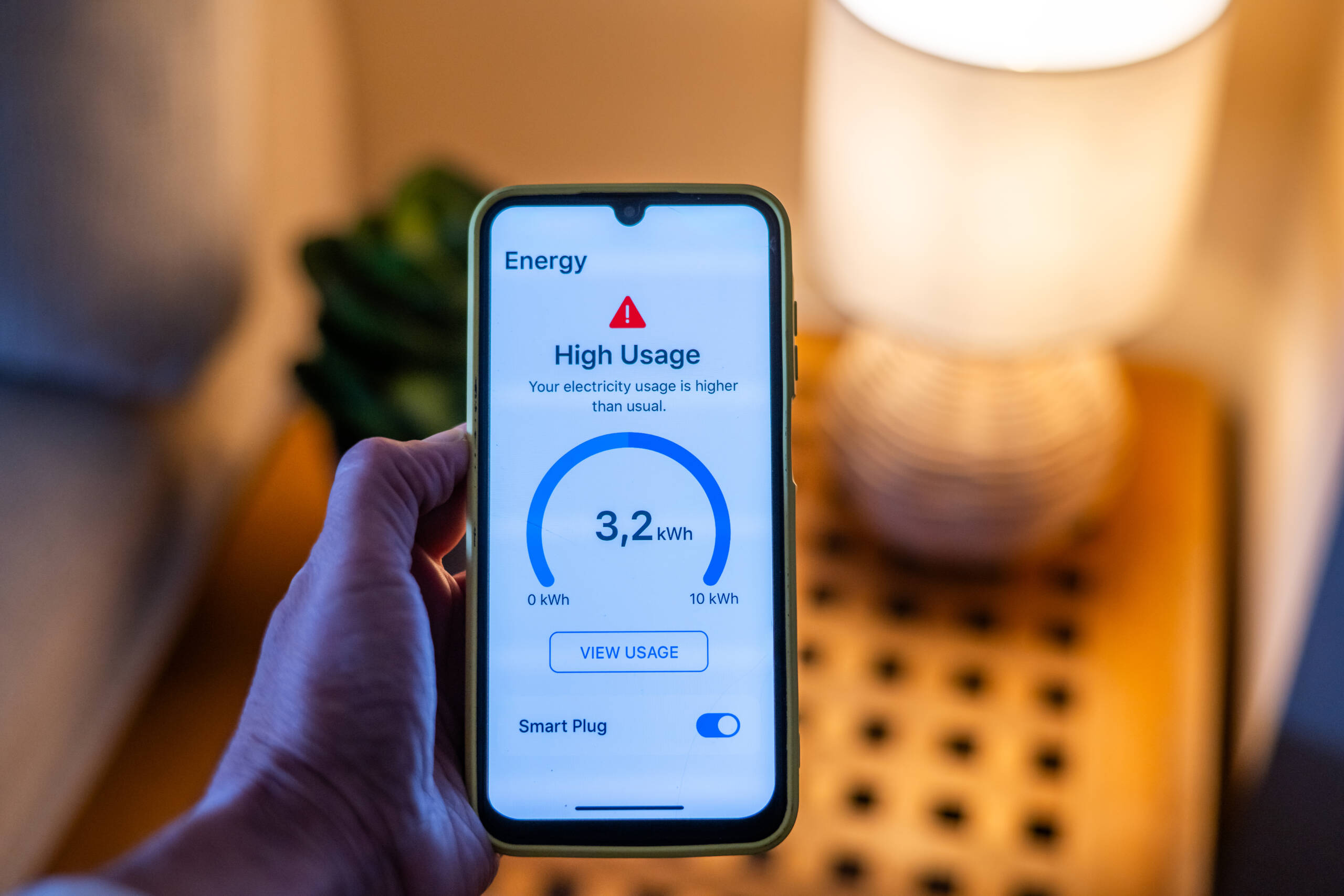
When solar panels, battery storage and EV chargers are installed, many homeowners expect the biggest change to appear on their electricity bill. In reality, one of the most important changes happens much sooner than that.
It is the moment you stop guessing what your home is doing with energy and start being able to see it clearly.
Modern solar and battery systems generate a huge amount of information.
How much electricity your panels are producing.
How much your home is using.
Whether energy is being stored, exported or drawn from the grid.
Without a clear way to view this information, the system can feel distant and abstract.
This is where energy apps matter. When designed well and set up properly, a single app or a small number of well-integrated apps allow you to understand, manage and trust your energy system on a day-to-day basis.
Viable Power works with a range of established manufacturers whose technology is supported by clear, homeowner-focused apps. Each platform works slightly differently and suits different households. Understanding these differences is key to choosing a system that genuinely feels easy to live with.
What “one easy-to-use app” really means in practice
It is worth being honest about what homeowners should expect when they hear the phrase “one easy-to-use app”. In some homes, it really is one app that shows almost everything. In others, there may be one main app for solar and battery performance, with a separate app dedicated to EV charging.
What matters far more than the number of apps is how intuitive they are and how predictably the system behaves once installed. A good energy app should allow you to answer a few simple questions quickly and confidently.
You should be able to see how much solar electricity is being generated, how much your home is using, whether your battery is charging or supporting the house, whether electricity is being imported from or exported to the grid, and what your EV charger is doing at any given moment.
The brands Viable Power installs are chosen because their apps focus on answering these questions clearly, without unnecessary complexity.
SolarEdge – detailed insight with strong visual clarity
SolarEdge systems are often chosen by homeowners who want a comprehensive view of their energy without the app feeling overly technical. The mySolarEdge app brings together solar generation, household consumption, battery storage and, where installed, EV charging into a single interface.
When you open the app, you are presented with a clear visual diagram showing how electricity is flowing around your home in near real time. You can see energy moving from the panels on your roof to your home, into the battery, or out to the grid. For many homeowners, this visual explanation is what finally makes their system feel understandable.
One of SolarEdge’s most distinctive features is panel-level monitoring. Rather than only showing total system output, the app can display how individual panels are performing. This can be particularly helpful on roofs that experience partial shading at different times of day, or where performance changes gradually over time.
If a SolarEdge battery is installed, the app shows state of charge, charging and discharging behaviour, and how stored energy supports the home in the evening. Where a compatible SolarEdge EV charger is included, charging activity and schedules can also be viewed and adjusted within the same app.
SolarEdge tends to suit homeowners who value visibility and reassurance. You do not need to interact with the app constantly, but the detail is there whenever you want to check that everything is operating as it should.
GivEnergy – simple daily checks with deeper insight available
GivEnergy is a well-known UK brand, particularly recognised for its battery systems. The GivEnergy app is designed to be approachable, even for homeowners who have little interest in the technical side of energy systems.
The main app screen shows solar generation, household consumption, battery charge level and grid import or export in a clean, uncluttered layout. This makes it easy to understand what is happening at a glance, without digging through menus.
For everyday use, many homeowners simply check the app to confirm that the battery is charging during the day and supporting the home later on. For those who want a deeper understanding, GivEnergy also provides an online portal that allows longer-term performance and trends to be reviewed in more detail.
This combination works well for households that want a simple day-to-day experience, with the reassurance that more detailed information is available if they ever need it. GivEnergy systems often suit homes where battery storage plays a central role in managing electricity use.
myenergi – hands-on control for solar-aware EV charging
myenergi systems are frequently chosen by households where EV charging is a key part of daily energy use. The myenergi app places a strong emphasis on control rather than passive monitoring.
If you have a zappi EV charger, the app allows you to see clearly how and when your vehicle is charging. You can select different charging modes depending on whether you want to prioritise solar generation, charge as quickly as possible, or balance solar use with grid power.
Where devices such as eddi or harvi are installed, the app also shows how surplus solar electricity is being used or diverted within the home. This makes the link between solar generation and EV charging very clear and tangible.
The myenergi app suits EV-focused households who want to actively manage how their solar electricity is used, rather than simply monitoring overall system performance.
Hypervolt – straightforward EV charging with minimal fuss
Hypervolt chargers are often selected by homeowners who want EV charging to be reliable, predictable and easy to manage. The Hypervolt app reflects this philosophy.
Rather than focusing on detailed energy analysis, the app centres on scheduling and control. Charging can be set to align with household routines, overnight tariffs or periods of solar generation, depending on how the wider system has been configured.
Once these schedules are in place, many homeowners rarely need to interact with the app. They may check it occasionally to confirm charging has completed, but otherwise the system runs quietly in the background. This makes Hypervolt a good fit for people who prefer a “set it once and trust it” approach to EV charging.
Sigenergy – a fully integrated, all-in-one energy platform
Sigenergy systems are designed as a complete energy solution, bringing solar panels, battery storage and EV charging together within a single ecosystem. The mySigen app reflects this integrated approach.
The app provides a joined-up overview of energy generation, household consumption and storage, along with controls that allow energy flow to be prioritised according to household needs. Homeowners can see how solar supports the home, how the battery responds throughout the day, and how EV charging fits into the overall picture.
Because the system is designed to work as one platform, the app experience tends to feel cohesive and consistent. Sigenergy systems often suit homeowners who want their energy setup to feel modern, integrated and centrally managed, rather than made up of separate components.
Tesla – clarity and confidence through clean visual design
Tesla’s energy app is known for its clean design and emphasis on visual clarity. Where Tesla Powerwall and solar are installed, the app shows energy flowing between the roof, the home, the battery and the grid in a way that is easy to follow.
Rather than offering extensive control options, the focus is on understanding and confidence. Homeowners can quickly see how the system behaves across the day and review historical performance without navigating complex settings.
This approach appeals to households who value simplicity and want to understand their energy system without feeling the need to adjust or optimise settings regularly.
Why correct setup matters as much as the app itself
Two homes can install similar equipment and have very different app experiences. In most cases, this difference comes down to how the system has been designed, commissioned and explained.
Consumption monitoring needs to be configured correctly. Battery behaviour should reflect how the household actually uses electricity. EV charging schedules should match real routines rather than theoretical ones.
This is where an experienced solar installer adds real value. The app itself is only part of the picture. Correct setup and clear explanation are what turn a collection of technology into an energy system that genuinely feels easy to use.
How homeowners typically use energy apps
Most homeowners do not spend long periods analysing graphs. Instead, the app becomes a reassurance tool.
A brief check in the morning may show whether the day is likely to deliver strong solar generation. A glance in the evening can confirm whether the battery is supporting the home or whether an EV is charging as expected.
Over time, this builds familiarity and confidence. You stop guessing and start trusting what the system is doing.
Actual savings will vary depending on system size, annual electricity consumption and ongoing electricity prices
Choosing the right app experience for your home
There is no single best energy app for everyone. The right choice depends on how you live, how much control you want, and which parts of your energy use matter most to you.
Some homeowners prioritise visibility and reassurance. Others want hands-on control over EV charging or battery behaviour. The key is matching the system and app to the household, rather than forcing the household to adapt to the technology.
At Viable Power, we focus on helping homeowners choose systems that suit their needs, and on setting those systems up properly from the start. The result is energy technology that feels intuitive, understandable and easy to live with.
If you would like advice on your current setup, guidance on choosing the right system, or help understanding how your energy app works, we are always happy to talk it through.
Actual savings will vary depending on system size, annual electricity consumption and ongoing electricity prices.
